Last updated: June 2026 | 10 min read
The short answer is yes — Turkey is safe for tourists in 2026. But the full answer depends on where you’re going. Istanbul, Cappadocia, Antalya, and the Aegean coast are open and operating normally. The southeast is a different story. This guide breaks it all down clearly so you can make an informed decision before you book.
Is Turkey Safe Right Now? (June 2026 Update)
Turkey welcomed over 55 million international visitors in 2024, making it the 4th most-visited country in the world. In 2026, tourism continues at full pace in all major destinations.
The concern most travelers have right now is the regional geopolitical context. Here’s what actually happened: on February 28, 2026, US-Israel military operations against Iran began. NATO air defenses — including those deployed in Turkey — intercepted Iranian ballistic missiles that entered Turkish airspace. This generated alarming headlines. However, Turkey itself is not a party to this conflict.
The reality on the ground:
- Istanbul, Cappadocia, Izmir, Antalya, Bodrum, and Pamukkale are calm and fully operational
- International airports are open, flights are running normally
- Hotels, tours, and historical sites are all operating as usual
- Increased security presence in major cities is standard, not a sign of danger
The only area of genuine concern is the southeast, near the Syrian and Iraqi borders — a region that was already restricted long before 2026 and that no standard tourist itinerary includes.
Travel Advisories by Country — What They Actually Mean
Travel advisories often sound more alarming than they are. Here’s what each country currently says about Turkey — and what it means in plain English.
🇺🇸 United States — Level 2: Exercise Increased Caution
The US State Department places Turkey at Level 2, the same rating as France, Spain, Germany, and the UK. This is not a warning against travel — it’s standard language for any major destination.
Specific restriction: Do not travel within 10km of the Syrian and Iraqi borders (the deep southeast).
🇬🇧 United Kingdom — FCDO
The UK’s Foreign, Commonwealth & Development Office advises against travel within 10km of the Syrian border and against all but essential travel to Sirnak and Hakkari provinces. The rest of Turkey is clear.
🇦🇺 Australia — Exercise a High Degree of Caution
Smartraveller advises general caution nationwide due to regional tensions, but does not advise against travel to Istanbul, Cappadocia, or coastal areas.
🇨🇦 Canada
Similar to the US — exercise caution, avoid the southeast border region. Full details on Travel.gc.ca.
Bottom line: Every major Western government is comfortable with tourists visiting Istanbul, Cappadocia, and the Turkish coast. The restrictions are geographically specific and do not affect any standard tourist itinerary.
Safe Regions vs. Regions to Avoid
✅ Completely Safe for Tourists
| Region | Safety Level | Notes |
|---|---|---|
| Istanbul | Level 2 — Normal | Avoid demonstrations |
| Cappadocia | Safe | Balloon flights running normally |
| Antalya & the coast | Safe | Busiest tourist season |
| Izmir & the Aegean | Safe | Fully operational |
| Pamukkale | Safe | No issues reported |
| Ephesus | Safe | Open to visitors |
| Bodrum & Marmaris | Safe | Summer season in full swing |
⚠️ Regions to Avoid
| Region | Advisory | Why |
|---|---|---|
| Southeast border (Syria/Iraq) | Do Not Travel | Armed conflict, terrorism risk |
| Hatay, Hakkari, Sirnak | Avoid | Proximity to conflict zones |
| Adana consular district | Heightened caution | US consulate suspended services |
These southeastern provinces are hundreds of miles from Istanbul, Cappadocia, and the coast. They appear on no standard tourist itinerary and pose zero risk to the vast majority of visitors.
Is Istanbul Safe in 2026?
Yes. Istanbul is safe for tourists in 2026.
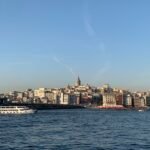
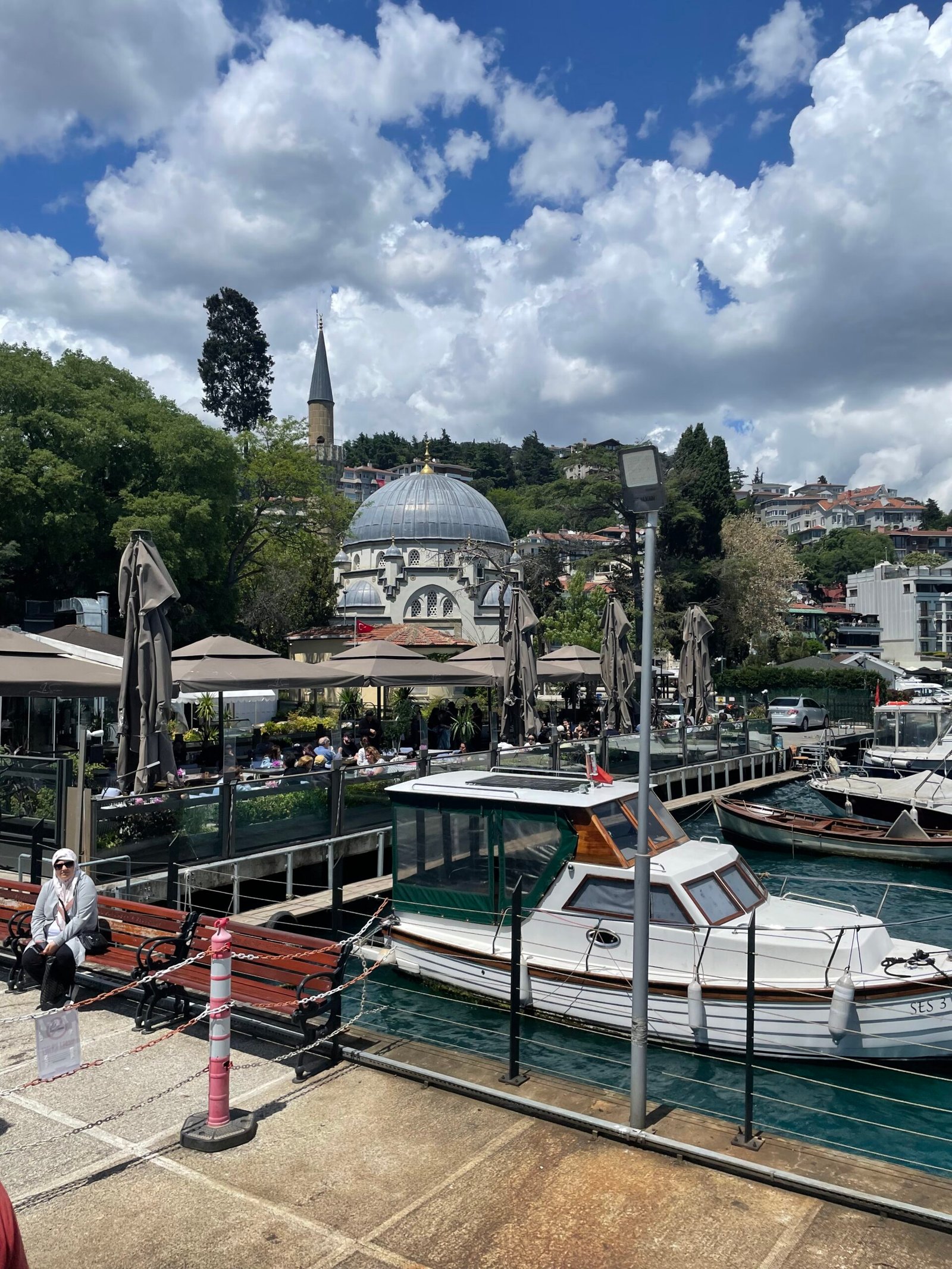
Daily life in Istanbul continues normally. The Grand Bazaar, Hagia Sophia, Topkapi Palace, the Bosphorus, and Istiklal Avenue are all open and busy with visitors. Restaurants, hotels, and transport all operate as usual.
What to be aware of:
Demonstrations: The arrest of Istanbul Mayor Ekrem Imamoglu in March 2025 triggered protests that have continued periodically into 2026. These are not directed at tourists, but you should avoid areas where large gatherings are taking place, as they can be unpredictable.
Petty crime: As in any major city, pickpocketing exists in tourist-heavy areas — particularly around the Grand Bazaar, Sultanahmet, and Taksim Square. Keep your phone and wallet secure.
Taxi scams: A classic Istanbul issue. Always insist on the meter, or better yet use an app like BiTaksi or Uber. More on this in the scams section below.
Anti-Western sentiment: The State Department notes heightened anti-US and anti-Western sentiment following regional events. In practice, Turkish hospitality toward individual tourists remains genuinely warm — this is a political rather than personal issue.
Is Cappadocia Safe in 2026?
Absolutely yes. Cappadocia is one of Turkey’s safest and most welcoming destinations.
Located in central Anatolia, Cappadocia sits hundreds of miles from any conflict zone. Hot air balloon flights continue to operate daily (weather permitting). Cave hotels, hiking trails, and underground cities are all fully accessible.
The main concerns in Cappadocia are practical rather than safety-related: balloon flights can be cancelled due to wind, and the roads between villages require care if you’re driving. No security concerns whatsoever.
Is Antalya & the Turkish Coast Safe?
Yes. The Mediterranean and Aegean coasts are fully operational and enjoying a normal summer season.
Antalya, Bodrum, Marmaris, Fethiye, Kas, and Alanya are all safe. Beach resorts are open, water sports are running, and the famous Turquoise Coast is as beautiful as ever. These areas are as far from any conflict zone as you can get in Turkey.
Is Turkey Safe for Solo Female Travelers?
Turkey is generally safe for solo female travelers, but it requires more awareness than traveling in, say, Scandinavia.
Practical tips:
- Dress modestly when visiting mosques — cover your shoulders and knees, carry a scarf for your hair
- In smaller towns and conservative areas, solo women may attract unwanted attention; stay confident and purposeful
- Stick to well-lit areas at night in cities
- Istanbul’s Sultanahmet, Beyoglu, and Karakoy neighborhoods are all comfortable for solo women
- Use reputable transport apps rather than hailing street taxis
Thousands of solo female travelers visit Turkey every year without incident. Awareness and common sense go a long way.
Common Scams to Watch Out For
Turkey is safe — but like every popular tourist destination, it has its share of scams targeting visitors. Here are the main ones:
The taxi meter scam: The driver “forgets” to turn on the meter, then charges an inflated flat rate. Fix: always confirm the meter is running before you set off, or use BiTaksi/Uber.
The shoe-shine scam: A man drops his brush near you. If you pick it up, he’ll insist on shining your shoes and demand a large payment. Just keep walking.
The carpet/tea invitation: Someone invites you for “free” tea, which leads to a high-pressure carpet or souvenir sales pitch. There is no obligation to buy anything — just say no firmly and leave.
Istiklal bar overcharging: A “friendly local” suggests a bar, which turns out to be a tourist trap with wildly inflated prices — sometimes accompanied by intimidation if you refuse to pay. Avoid bars recommended by strangers on the street.
The fake tour guide: Unlicensed “guides” near major sites charge high fees for poor information. Book tours through reputable, licensed operators.
Health & Medical Safety
Food and water: Stick to bottled water in Turkey — tap water is generally not recommended for drinking, though it is used for cooking and cleaning. Turkish food hygiene standards in restaurants are generally good; street food from busy stalls is usually safe.
Medical care: Istanbul has excellent private hospitals that cater to international patients (American Hospital, Florence Nightingale Hospital). Outside major cities, medical facilities vary in quality. Travel insurance with medical evacuation cover is strongly recommended.
Vaccinations: No specific vaccinations are required for Turkey, but standard travel vaccinations (hepatitis A, typhoid) are advisable. Check with your GP before travelling.
Do I Need Travel Insurance for Turkey?
Yes — and this is non-negotiable in 2026.
Given the regional context, travel insurance is more important than ever. The good news is that because Western travel advisories have not issued “Do Not Travel” warnings for main tourist areas, standard travel insurance policies remain valid for Istanbul, Cappadocia, and the coast.
What to look for in your policy:
- Medical coverage (minimum €100,000 recommended)
- Emergency medical evacuation
- Trip cancellation due to geopolitical events
- Baggage and personal liability cover
We recommend getting a quote from SafetyWing or World Nomads — both cover Turkey and include emergency evacuation.
Always read the fine print regarding conflict zones. Coverage may be void if you travel to areas under “Do Not Travel” advisories (i.e., the Turkish southeast border region).
Practical Safety Tips Before You Go
Before departure:
- Enrol in your government’s traveller registration programme (STEP for US citizens, FCDO for UK)
- Save the emergency number for your country’s embassy in Ankara and consulate in Istanbul
- Make digital and physical copies of your passport
- Purchase travel insurance before you fly
On the ground:
- Avoid all demonstrations and political gatherings — regardless of their nature
- Do not post about Turkish politics, the military, or regional conflicts on social media while in Turkey
- Use official taxis or ride-hailing apps; avoid unlicensed drivers
- Keep your passport and cash in a hotel safe when not needed
- Stay aware in crowded tourist areas (Grand Bazaar, Sultanahmet)
Emergency numbers in Turkey:
- Police: 155
- Ambulance: 112
- Fire: 110
- Tourist Police Istanbul: +90 212 527 4503
Final Verdict: Should You Travel to Turkey in 2026?
Yes — with awareness and preparation.
Turkey remains one of the world’s great travel destinations, and the vast majority of the country is as safe as any major European destination. The headlines about regional conflict are real, but they apply to a specific geographic area that tourists have no reason to visit.
Istanbul, Cappadocia, Antalya, Pamukkale, Ephesus, Bodrum — all of these are safe, welcoming, and open for business.
If you’re nervous, the single most useful thing you can do is buy comprehensive travel insurance before you fly. After that, follow standard big-city awareness, avoid political gatherings, and enjoy one of the most extraordinary countries on earth.
Frequently Asked Questions
Is Turkey safe for Americans?
Yes. Most Americans can travel safely in Turkey by sticking to popular tourist destinations such as Istanbul, Cappadocia, Ephesus, Antalya and Bodrum. The U.S. Department of State currently advises travelers to exercise increased caution due to terrorism and regional tensions, while recommending that visitors avoid the border areas near Syria and Iraq. As with any destination, stay alert in crowded places, avoid demonstrations and purchase comprehensive travel insurance before your trip.
Is Turkey safe for British tourists?
Yes. Millions of British tourists visit Turkey every year without experiencing serious problems. The UK Foreign Office advises against travel to specific areas near the Syrian border but does not discourage travel to Turkey’s main tourist destinations. In cities such as Istanbul and coastal resorts like Antalya, the biggest risks are generally petty theft, tourist scams and traffic rather than violent crime.
Is Turkey safe because of Iran?
Recent tensions involving Iran have understandably raised concerns, but they have had little impact on Turkey’s main tourist areas. Istanbul, Cappadocia, Pamukkale, Izmir and Antalya are all hundreds of kilometers from the regions affected by conflict. Official travel advisories mainly recommend avoiding Turkey’s southeastern border with Syria and Iraq, not the country’s most popular tourist destinations. Before departure, check the latest government travel advice in case the situation changes.
Is Turkey safe because of Iran?
Recent tensions involving Iran have understandably raised concerns, but they have had little impact on Turkey’s main tourist areas. Istanbul, Cappadocia, Pamukkale, Izmir and Antalya are all hundreds of kilometers from the regions affected by conflict. Official travel advisories mainly recommend avoiding Turkey’s southeastern border with Syria and Iraq, not the country’s most popular tourist destinations. Before departure, check the latest government travel advice in case the situation changes.
Is Istanbul safer than Paris?
There is no definitive answer because both cities face different types of risks. Like Paris, Istanbul experiences pickpocketing, tourist scams and heavy traffic in busy areas. However, millions of international visitors explore Istanbul safely every year by following common-sense precautions such as keeping valuables secure, using licensed transportation and avoiding political demonstrations. For most tourists, the day-to-day safety risks are comparable to those in other major European capitals.
Can you drink tap water in Turkey?
Tap water is generally treated and considered safe for cooking in many cities, but most locals and travelers prefer bottled water for drinking because of taste and occasional variations in water quality. Bottled water is inexpensive and widely available throughout the country, making it the safest choice for visitors.
Is Uber available in Turkey?
Yes, but with limitations. In Istanbul, Uber operates by connecting passengers with licensed yellow taxis rather than private Uber drivers. Many travelers use Uber because the fare is recorded in the app, reducing the risk of overcharging. Another popular alternative is BiTaksi, a local taxi app widely used across Turkey.
Is Turkey safe for solo female travelers?
Yes, generally. Turkey is a safe destination for solo female travelers who take normal big-city precautions. Dress modestly when visiting mosques, stick to well-lit areas at night, and use reputable transport apps like BiTaksi or Uber rather than hailing taxis on the street. Neighborhoods such as Sultanahmet, Beyoglu, and Karakoy in Istanbul are comfortable for women traveling alone. Many hotels and hostels are accustomed to solo female guests and can recommend safe restaurants or activities — don’t hesitate to ask at reception. Thousands of women travel solo in Turkey every year without incident.
Is Turkey safe for families with children?
Yes. Turkey is a popular and welcoming destination for family travel, and Turkish culture is generally very child-friendly, with children warmly received in restaurants, hotels, and shops. Major resorts in Antalya and Bodrum cater specifically to families, offering kids’ clubs and child-friendly menus. Healthcare for common travel issues is widely available in tourist areas. The main practical challenge is uneven terrain — cobblestones in Istanbul’s old town and rocky paths in Cappadocia — so a baby carrier is often more practical than a stroller for sightseeing days.
This article is updated regularly to reflect the latest travel advisories and on-the-ground conditions. Last reviewed: June 2026.
Ready to plan your trip?